General Fitness-
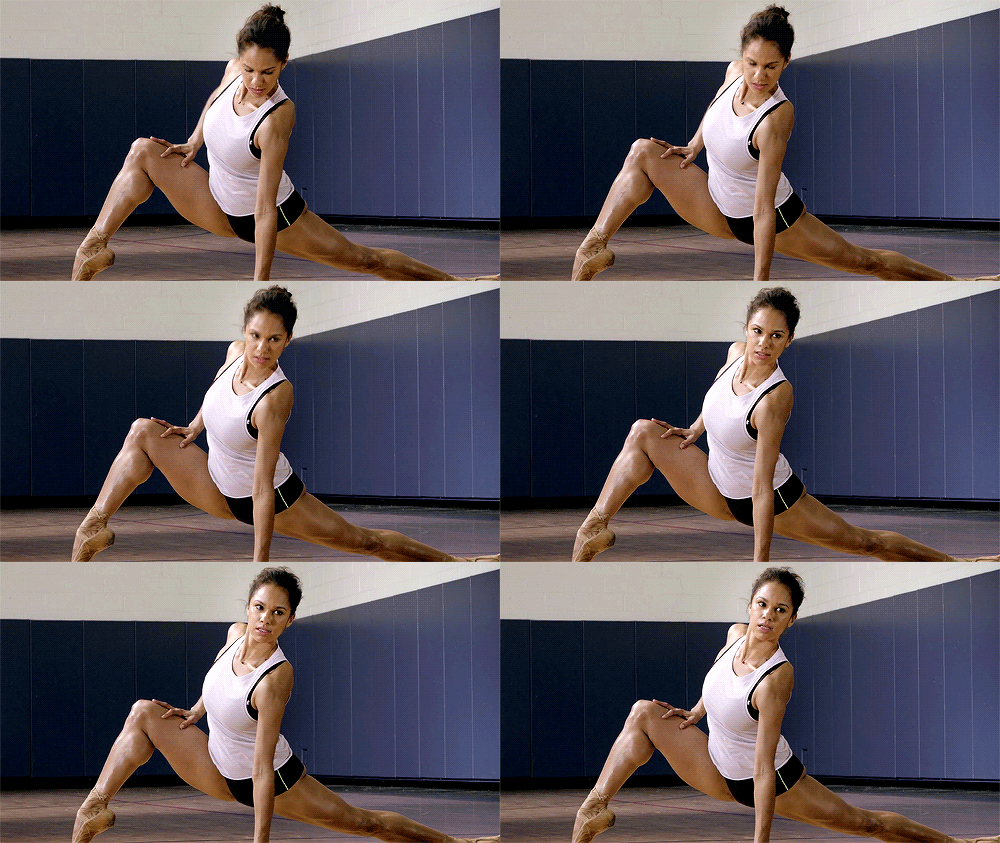
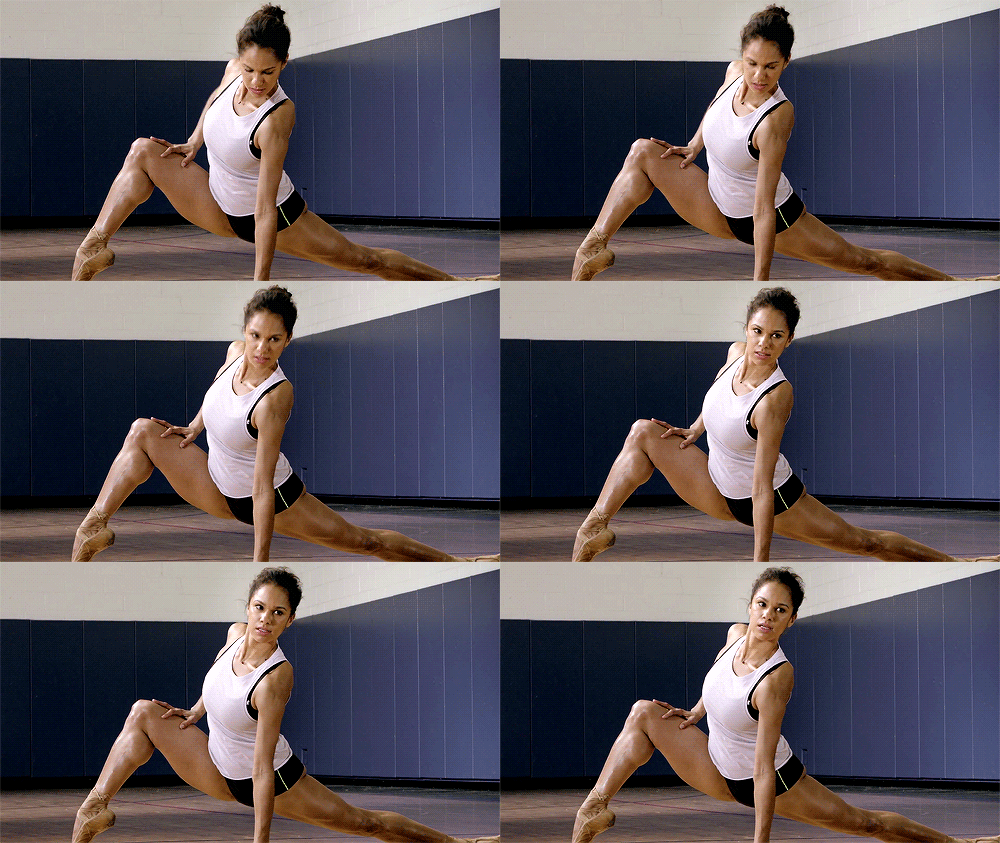
Fitness is defined as the quality of being suitable to perform a particular task. Around 1950, perhaps consistent with the Industrial Revolution and the treatise ofWorld War II, the term fitness increased in western vernacular by a factor of ten. Modern definition of fitness describe either a person or machine's ability to perform a specific function or a holistic definition of human adaptability to cope with various situations. This has led to an interrelation of human fitness and attractiveness which has mobilized global fitness and fitness equipment industries. Regarding specific function, fitness is attributed to personnel who possess significant aerobic or anaerobic ability, i.e. strength or endurance. A holistic definition of fitness is described by Greg Glassman in the CrossFit journal as an increased work capacity across broad times and modal domains; mastery of several attributes of fitness including strength, endurance, power, speed, balance and coordination and being able to improve the amount of work done in a given time with any of these domains. A well rounded fitness program will improve a person in all aspects of fitness, rather than one, such as only cardio/respiratory endurance or only weight training. A comprehensive fitness program tailored to an individual typically focuses on one or more specific skills, and on age- or health-related needs such as bone health. Many sources also cite mental, social and emotional health as an important part of overall fitness. This is often presented in textbooks as a triangle made up of three points, which represent physical, emotional, and mental fitness. Physical fitness can also prevent or treat many chronic health conditions brought on by unhealthy lifestyle or aging. Working out can also help some people sleep better and possibly alleviate some mood disorders in certain individuals.
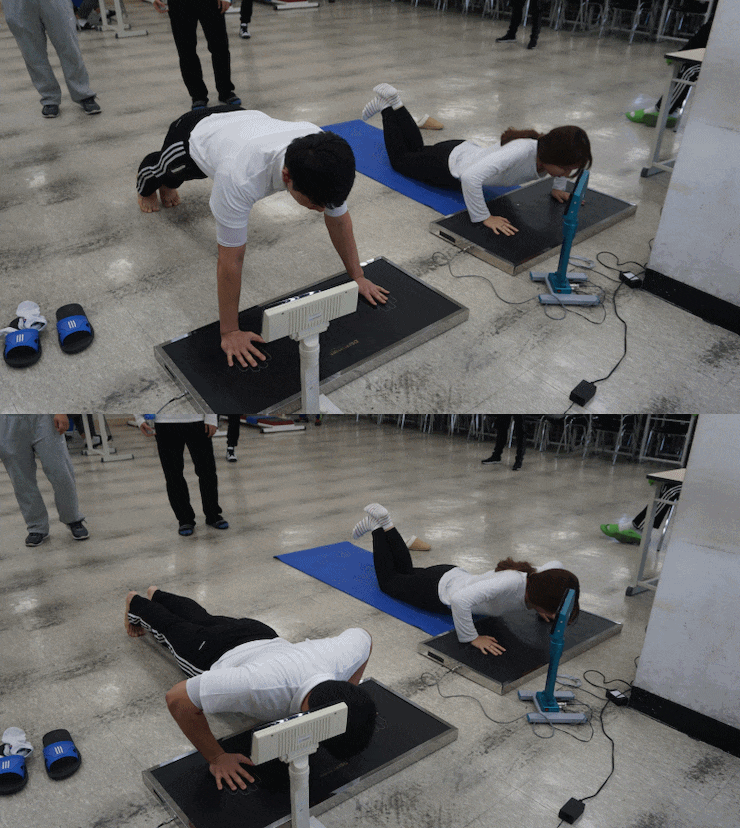
The U.S. Centers for Disease Control and Prevention encourages the adult public, ages 18 to 64, to engage each week in at least one and a quarter hours of vigorous-intensity aerobic activity or two and a half hours of moderate-intensity aerobic activity; that time can be met in any increments.
Diet is an important component to overall health that works best in combination with exercise. A balanced diet and exercising regularly are important for maintaining good health. Obesity is defined as body mass index, a measure of weight in relationship to height. With obesity on the rise, the U.S. has implemented more exercise and diet plans. Exercise and diet will help prevent type 2 diabetes, which is more common with obesity. There are millions of programs, websites, television shows, magazines, and movies regarding health and fitness. Recently, the trends of diets and lifestyle habits have become more and more encouraged. Understanding the importance of the health benefits resulted from diet and exercise will help decrease the amount of obesity in this country. Physical activity and exercise is defined in terms of type, intensity, duration and frequency.
Developing research has demonstrated that many of the benefits of exercise are mediated through the role of skeletal muscle as an endocrine organ. That is, contracting muscles release multiple substances known as myokines which promote the growth of new tissue, tissue repair, and various anti-inflammatory functions, which in turn reduce the risk of developing various inflammatory diseases.


Healthy Diet-
Despite popular belief, a reliance on a single food which composes the majority of a diet is indicative of poor eating habits. An individual on such a diet may be prone to deficiency and most certainly will not be fulfilling the Recommended Nutrient Intake.
While plants, vegetables, and fruits are known to help reduce the incidence of chronic disease, the benefits on health posed by plant-based foods, as well as the percentage on which a diet needs to be plant-based in order to have health benefits, is unknown. Nevertheless, plant-based food diets in society and between nutritionist circles are linked to health and longevity, as well as contributing to lowering cholesterol, weight loss, and, in some cases,stress reduction.
Although a number of preconceptions of a healthy diet center around plant-based foods, the majority of assumptions about foods which are usually thought of as "bad" foods are usually correct, apart from the assumption that there are "bad" foods; many people associate dishes such as Full English cooked Breakfast and Bacon Sandwiches as foods which, if eaten regularly, can contribute to cholesterol, fat, and heart problems.


Controls blood pressure-
Physical Fitness has proven to result in positive effects the body's blood pressure. This is because staying active and exercising regularly builds up a stronger heart. The heart is the main organ in charge of systolic blood pressure and diastolic blood pressure. Engaging in a physical activity will create a rise in blood pressure, once the activity is stopped, however, the individual’s blood pressure will return to normal. The more physical activity that one engages in, the easier this process becomes, resulting in a more ‘fit’ individual. Through regular physical fitness, the heart does not have to work as hard to create a rise in blood pressure, which lowers the force on the arteries, and lowers the over all blood pressure.
Centers for disease control and prevention provide lifestyle guidelines of maintaining a balanced diet and engaging in physical activity to reduce the risk of disease. The WCRF/ American Institute for Cancer Research (AICR) published a list of recommendations that reflect the evidence they have found through consistency in fitness and dietary factors that directly relate to Cancer prevention.
The WCRF/AICR Recommendations include the following:
"Be as lean as possible without becoming underweight
Each week, adults should engage in at least 150 minutes of moderate intensity physical activity or 75 minutes of vigorous intensity physical activity
Children should engage in at least one hour of moderate or vigorous physical activity each week
Be physically active for at least thirty minutes every day
Avoid sugar, limit the consumption of energy packed foods
Balance your diet with a variety of vegetables, grains, fruits, legumes, etc.
Limit sodium intake, the consumption of red meats and the consumption of processed meats
Limit alcoholic drinks to two for men and one for women a day"
These recommendations are also widely supported by the American Cancer Society. The guidelines have been evaluated and individuals that have higher guideline adherence scores substantially reduce cancer risk as well as help towards control with a multitude of chronic health problems. Regular physical activity is a factor that helps reduce an individual’s blood pressure and improves cholesterol levels, two key components that correlate with heart disease and Type 2 Diabetes.The American Cancer Society encourages the public to "adopt a physically active lifestyle" by meeting the criteria in a variety of physical activities such as hiking, swimming, circuit training, resistance raining, lifting, etc. It is understood that cancer is not a disease that can be cured by physical fitness alone, however because it is a multifactorial disease, physical fitness is a controllable prevention. The large associations tied with being physically fit and reduced cancer risk are enough to provide a strategy to reduce cancer risk. The American Cancer Society assorts different levels of activity ranging from moderate to vigorous to clarify the recommended time spent on a physical activity. These classifications of physical activity consider the intentional exercise and basic activities done on a daily basis and give the public a greater understanding by what fitness levels suffice as future disease prevention.


Cardiovascular disease prevention-
Physical activity effects one’s blood pressure, cholesterol levels, blood lipid levels, blood clotting factors and the strength of blood vessels. All factors that directly correlate to cardiovascular disease. It also improves the body’s use of insulin. People who are at risk for diabetes, Type 2 (insulin resistant) especially, benefit greatly from physical activity because it activates a better usage of insulin and protects the heart. Those who develop diabetes have an increased risk of developing cardiovascular disease. In a study where a sample of around ten thousand adults from the Third National Health and Nutrition Examination Survey, physical activity and metabolic risk factors such as insulin resistance, inflammation, dyslipidemia were assessed. The study adjusted basic confounders with moderate/vigorous physical activity and the relation with CVD mortality. The results displayed physical activity being associated with a lower risk of CVD mortality that was independent of traditional metabolic risk factors. The American Heart Association recommendations include the same findings as provided in the WCRF/ AICR recommendations list for people who are healthy. In regards to people with lower blood pressure or cholesterol, the association recommends that these individuals aim for around forty minutes of moderate to vigorous physical activity around three or four times a week.
.gif?timestamp=1513831088787)
.gif?timestamp=1513831102910)
Weight Training-
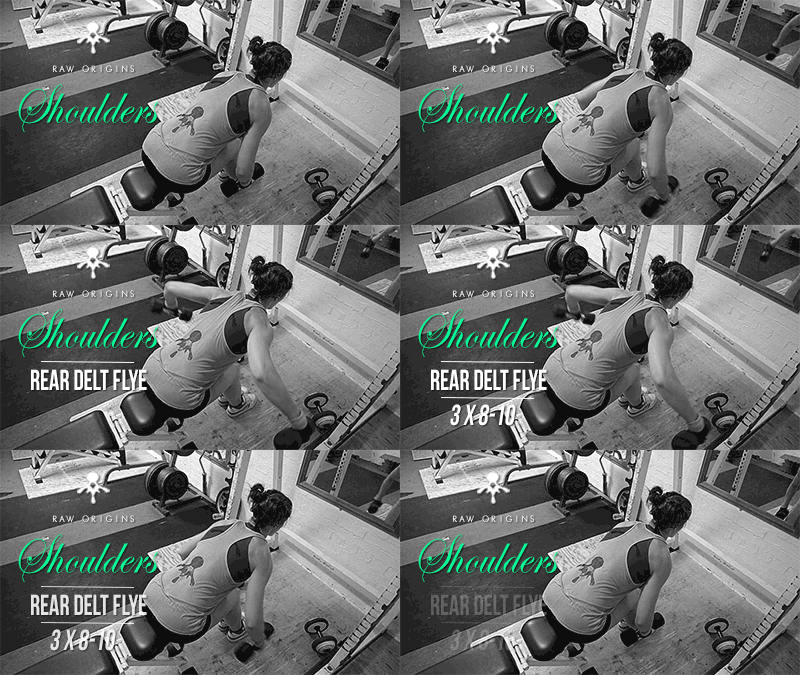
Weight training causes micro-tears to the muscles being trained; this is generally known as microtrauma. These micro-tears in the muscle contribute to the soreness felt after exercise, called delayed onset muscle soreness (DOMS). It is the repair to these micro-trauma that result in muscle growth. Normally, this soreness becomes most apparent a day or two after a workout. However, as muscles become adapted to the exercises, soreness tends to decrease.
Weight training aims to build muscle by prompting two different types of hypertrophy: sarcoplasmic hypertrophy and myofibrillar hypertrophy. Sarcoplasmic hypertrophy leads to larger muscles and so is favored by bodybuilders more than myofibrillar hypertrophy which builds athletic strength. Sarcoplasmic hypertrophy is triggered by increasing repetitions, whereas myofibrillar hypertrophy is triggered by lifting heavier weight. In either case, there is an increase in size and strength of the muscles (compared to if that same individual does not lift weights at all). However, the emphasis is different.
Many trainees like to cycle between the two methods in order to prevent the body from adapting (maintaining a progressive overload), possibly emphasizing whichever method more suits their goals. I.e, a bodybuilder will use sarcoplasmic hypertrophy most of the time, but may change to myofibrillar hypertrophy temporarily in order to move past a plateau. However, no real evidence has been provided to show that trainees ever reach this plateau, and rather was more of a hype created from 'muscular confusion.'
.gif?timestamp=1513831152421)
Over Training-
Overtraining occurs when a bodybuilder has trained to the point where his workload exceeds his recovery capacity. There are many reasons that overtraining occurs, including lack of adequate nutrition, lack of recovery time between workouts, insufficient sleep, and training at a high intensity for too long (a lack of splitting apart workouts). Training at a high intensity too frequently also stimulates the central nervous system (CNS) and can result in a hyper-adrenergic state that interferes with sleep patterns. To avoid overtraining, intense frequent training must be met with at least an equal amount of purposeful recovery. Timely provision of carbohydrates, proteins, and various micronutrients such as vitamins, minerals, phytochemicals, even nutritional supplements are acutely critical.
It has been argued that overtraining can be beneficial. One article published by Muscle & Fitness magazine stated that you can "Overtrain for Big Gains". It suggested that if one is planning a restful holiday and they do not wish to inhibit their bodybuilding lifestyle too much, they should overtrain before taking the holiday, so the body can rest easily and recuperate and grow. Overtraining can be used advantageously, as when a bodybuilder is purposely overtrained for a brief period of time to super compensate during a regeneration phase. These are known as "shock micro-cycles" and were a key training technique used by Soviet athletes. However, the vast majority of overtraining that occurs in average bodybuilders is generally unplanned and completely unnecessary.

Weight control-
Achieving resilience through physical fitness promotes a vast and complex range of health related benefits. Controlling one's weight and physical activity go hand in hand. Being physically fit regulates body weight, insulin resistance, sex hormones, inflammation, and a healthy immune system. Individuals who keep up physical fitness levels generally regulate their distribution of body fat and stray away from obesity. Abdominal fat, specifically visceral fat, is most directly affected by engaging in aerobic exercise. Sex steroid hormones, insulin, and an appropriate immune response are factors that mediate metabolism in relation to the abdominal fat. Therefore, physical fitness provides weight control through regulation of these bodily functions.
The effects of regular exercise prove effective in treating and/ or preventing declination in psychological health. One major response system that is highly affiliated with overall physiological health is the main stress responsive systems. This system works through communication of the immune system, hypothalamic-pituitary-adrenal axis and the autonomic nervous system that collaborate to defend against development of stress-related diseases by the regulation of inflammation and stress response. This effect of physical fitness is the reason behind a shift to a better over all mood. There is a buffer against stress that is provided through exercise that facilitates biological mechanisms such as greater insulin sensitivity and better efficiency in the stress responsive systems. It has been found that physically active individuals have higher ratings on their stress resilience as they show pro-inflammatory markers, lower cortisol levels, and lower sympathetic activity to provide for a healthy biological profile.
.gif?timestamp=1513831742413)
.gif?timestamp=1513831749312)
Natural Body building-
Due to the growing concerns of the high cost, health consequences and illegal nature of steroids many organizations have formed in response and have deemed themselves "natural" bodybuilding competitions. In addition to the concerns noted, many promoters of bodybuilding have sought to shed the "freakish" reputation that the general public perceives of bodybuilding and have successfully introduced a more mainstream audience to the sport of bodybuilding by including competitors whose physiques appear much more attainable and realistic.
In natural contests the testing protocol ranges among organizations from polygraph testing (lie detection) to urinalysis. Penalties also range from organization to organization from suspensions to strict bans from competition. It is also important to note that natural organizations also have their own list of banned substances and it is important to refer to each organization's website for more information about which substances are banned from competition.
There are many natural bodybuilding organizations that exist. Some of the larger ones include MuscleMania, Ultimate Fitness Events (UFE), INBF/WNBF and INBA/PNBA. These organizations either have North American or worldwide presence and are not limited to the country in which they are headquartered.
Other notable natural bodybuilding organization include the NPC and the NANBF. NPC competitions screen competitors using a polygraph test to ensure fair practices. Though it is not fool-proof, competitors are selected at random and not all are tested. This is how the NPC differs from the NANBF. The NANBF takes a more direct approach by taking urine samples from all competitors that test for steroids and any other substances on the banned list. The NANBF differs from the NPC also when it comes to judging. The criteria of certain poses differs from organization to organization. The NANBF even has an elevated calf pose which is specifically unique for their competitions.
.gif?timestamp=1513831859593)
Anabolic/Androgenic Steroid Use-
This period also saw the rise of anabolic steroids used both in bodybuilding and many other sports. In bodybuilding lore, this is partly attributed to the rise of "mass monsters", beginning with Arnold Schwarzenegger, Sergio Oliva and Lou Ferrigno in the late 1960s and early 1970s and continuing in the 1980s, 1990s and 2000s with Lee Haney, Dorian Yates, Ronnie Coleman and Markus Ruhl. Also the emergence of bodybuilders such as Greg Kovacs, Paul DeMayo and Victor Richards who, while not being particularly successful at the pro level, attained mass and size at levels that were not seen previously.
Arnold Schwarzenegger, at the time of shooting Pumping Iron (the movie that brought body building to life), while never stating he used steroids, did say "you have to do anything you can to get the advantage in competition". But in later interviews acknowledged steroid use, saying he does not regret using anything. At the time Arnold was the face of bodybuilding, so this had a large impact.
To combat this, and in the hopes of becoming a member of the IOC, the IFBB introduced doping tests for both steroids and other banned substances. Although doping tests occurred, the majority of professional bodybuilders still used anabolic steroids for competition. During the 1970s the use of anabolic steroids was openly discussed partly due to the fact they were legal. However the U.S. Congress in the Anabolic Steroid Control Act of 1990 placed anabolic steroids into Schedule III of the Controlled substance act (CSA). Similarly in Canada, steroids were added to the Criminal Code of Canada as a Class IV controlled substance (that class was created expressly for steroids).
In competitive bodybuilding, bodybuilders aspire to develop and maintain an aestheticallypleasing body and balanced physique. In prejudging, competitors do a series of mandatory poses – the front lat spread, the rear lat spread, the front double biceps, theback double biceps, the side chest, the side triceps, the Most Muscular (men only), and the thigh-abdominal pose. Each competitor also performs a routine to display the physique. A posedown is usually held at the end of a posing round, while judges are finishing their scoring. Bodybuilders spend time practicing their posing, since they are judged on it.
In contrast to strongman or powerlifting competitions where physical strength is important, or to Olympic weightlifting, where the main point is equally split between strength and technique, bodybuilding competitions typically emphasize condition, size and symmetry. Different organizations emphasize particular aspects of competition, and sometimes have different categories in which to compete.